Aging is inevitable, but emerging research suggests that its rate may be modulated by molecular interventions. In the rapidly advancing field of longevity science, two molecular factors—nicotinamide adenine dinucleotide (NAD⁺) and glutathione (GSH)—have gained prominence for their roles in healthy aging. NAD⁺ is a coenzyme central to metabolic energy production and DNA repair, while GSH is the predominant intracellular antioxidant. Both NAD⁺ and glutathione levels decline with age, a change that can compromise cellular function and resilience. This article examines the roles of NAD⁺ and glutathione in aging, their individual contributions to cellular homeostasis, and how enhancing their levels—individually or in combination—might promote a longer health span.
NAD⁺
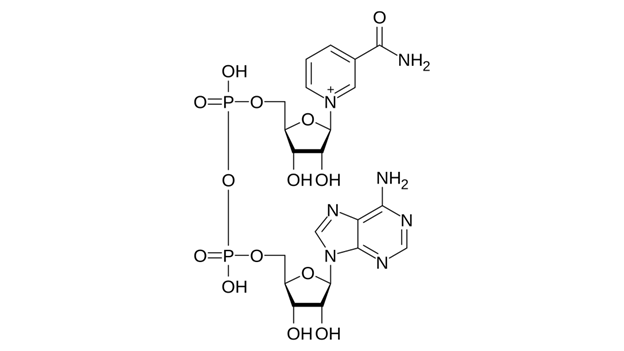
NAD⁺ (nicotinamide adenine dinucleotide) is a ubiquitous coenzyme present in every cell. It plays a pivotal role in cellular metabolism by facilitating the transfer of electrons in critical biochemical pathways, thereby driving the production of ATP. NAD⁺ continuously cycles between an oxidized form (NAD⁺) and a reduced form (NADH) by accepting and donating electrons. Through this redox cycle, NAD⁺ powers metabolic reactions in glycolysis, the citric acid (Krebs) cycle, and mitochondrial oxidative phosphorylation. Without sufficient NAD⁺, cellular energy production is severely impaired.
Beyond its metabolic role, NAD⁺ is also consumed by several enzymes crucial for cellular maintenance. Sirtuins (a family of longevity-associated proteins) and poly(ADP-ribose) polymerases (PARPs, which are DNA repair enzymes) both require NAD⁺ as a substrate. Accordingly, NAD⁺ availability is intimately linked to genomic stability, stress resistance, and cell survival. In young organisms, NAD⁺ levels are high, supporting robust sirtuin activity. With aging, however, NAD⁺ concentrations decline substantially—studies estimate that tissues can lose over 50% of their NAD⁺ between youth and old age. This drop is attributed to a combination of increased NAD⁺ consumption (for instance, chronic inflammation elevates the NAD⁺-degrading enzyme CD38, and accumulating DNA damage hyperactivates PARPs) and decreased NAD⁺ synthesis. The outcome is a form of cellular energy deficit: low NAD⁺ impairs mitochondrial function, slows DNA repair, and reduces sirtuin activity. These changes are detrimental to healthy aging.
Conversely, restoring NAD⁺ levels in animal models have shown promising rejuvenating effects. In aged mice, supplementation with NAD⁺ precursors such as nicotinamide riboside (NR) or nicotinamide mononucleotide (NMN)—forms of vitamin B3—significantly increases NAD⁺ availability and leads to improved cellular energy metabolism and better physiological function. Treated old mice become more physically active and exhibit improvements in various age-related markers (such as insulin sensitivity and reduced DNA damage). Notably, elevating NAD⁺ can extend lifespan in certain organisms and consistently improve health span (the period of life spent in good health) in many rodent studies. These findings have motivated human clinical trials of NAD⁺-boosting interventions, with the hope that mid-life “repletion” of NAD⁺ in humans might similarly slow aspects of the aging process.
Glutathione
Glutathione (GSH) is a small peptide—specifically, a tripeptide composed of the amino acids glutamate, cysteine, and glycine—that serves as the cell’s primary intracellular antioxidant. It is often referred to as the “master antioxidant” due to its abundance and central role in neutralizing oxidative threats. GSH exists in two states: the reduced form (GSH), which can donate electrons to neutralize free radicals, and the oxidized form (GSSG), which consists of two glutathione molecules linked by a disulfide bond after electron donation. In healthy cells, more than 98% of glutathione is maintained in the reduced (active) form; this high GSH-to-GSSG ratio is a biochemical indicator of a youthful, well-functioning cellular environment.
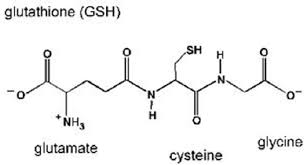
Structure of glutathione (GSH), a small tripeptide (glu–cys–gly). The thiol (–SH) group on cysteine donates electrons to neutralize free radicals, converting GSH to GSSG (two linked glutathione molecules). Cells recycle GSSG back to GSH using NADPH, maintaining a reservoir of antioxidant capacity.
Functionally, glutathione protects cells by directly neutralizing reactive oxygen species (ROS) harmful free radicals and peroxides generated by metabolism and stress. GSH readily donates electrons to ROS, converting GSH to GSSG and preventing these oxidants from damaging DNA, proteins, and membrane lipids. In doing so, glutathione essentially “sacrifices” itself to shield other cellular components. The oxidized glutathione (GSSG) is then recycled back to GSH by glutathione reductase using NADPH, which sustains the cell’s antioxidant capacity. In addition to scavenging ROS, glutathione detoxifies harmful substances (including xenobiotics and heavy metals) by conjugating with them to facilitate their excretion, and it assists in regenerating other antioxidants such as vitamins C and E. Through these actions, glutathione helps maintain an optimal intracellular redox state that is crucial for normal cellular function.
The relevance of glutathione to aging is highlighted by the oxidative stress theory of aging, which posits that accumulated oxidative damage is a major contributor to tissue aging and age-related disease. Consistent with this theory, glutathione levels tend to decrease with age in many tissues, leaving cells more susceptible to oxidative damage. In older adults, low GSH levels in blood and organs have been correlated with frailty, cognitive decline, and the presence of chronic diseases. Conversely, some exceptionally long-lived individuals (healthy centenarians) have been found to maintain glutathione concentrations and redox balances comparable to those of much younger adults. This observation suggests that preserved glutathione status may be one factor contributing to healthier aging. High glutathione levels could help limit oxidative damage and inflammation, thereby protecting tissues from the accelerated aging seen in the general elderly population.
The body has innate mechanisms to regulate and replenish glutathione. GSH synthesis is controlled by glutamate-cysteine ligase (the rate-limiting enzyme in glutathione production) and depends on the availability of precursor amino acids, especially cysteine. When oxidative stress rises, the transcription factor NRF2 activates and induces the expression of genes involved in glutathione synthesis and utilization, boosting the cell’s antioxidant defenses. However, with advanced age, these adaptive responses may become less effective. This has led researchers to explore whether providing glutathione precursors can support GSH levels in older individuals. Supplements such as N-acetylcysteine (NAC) and glycine, which supply key building blocks for glutathione, have been investigated in this context. Early clinical studies of combined NAC and glycine supplementation (sometimes termed “GlyNAC”) in elderly subjects have shown promising results, including improvements in oxidative stress markers, inflammation, and other health metrics.
In summary, glutathione acts as a critical detoxifier and protector within cells, constantly neutralizing toxic byproducts and reactive species. Maintaining robust glutathione levels as we age is thought to be crucial for preserving cellular homeostasis and preventing damage accumulation. Unsurprisingly, glutathione has become a focal point in longevity research as a potential key to sustaining cellular health during aging.
Why They Matter for Healthy Aging
Both NAD⁺ and glutathione are central to cellular health, and their combined roles are particularly compelling in the context of aging—a complex process marked by mitochondrial dysfunction, redox imbalance, chronic inflammation, and genomic instability. Maintaining adequate levels of both molecules may help address several hallmarks of aging simultaneously.
Mitochondrial Function:
Mitochondria, the cell’s energy generator, lose efficiency with age. NAD⁺ is critical for mitochondrial metabolism and activates sirtuins like SIRT3, which enhances mitochondrial performance. Glutathione, meanwhile, is essential for neutralizing mitochondrial ROS. Together, NAD⁺ and GSH sustain energy production and limit oxidative damage. Studies show that SIRT3 activation (via NAD⁺) increases mitochondrial NADPH and supports glutathione regeneration—an effect lost in NAD⁺ or SIRT3-deficient states. This underscores their interdependence in preserving mitochondrial health.
Redox Balance:
Aging is accompanied by rising oxidative stress. NAD⁺ and glutathione form the core of the antioxidant defense system. NAD⁺ enables NADPH production, which is required to recycle oxidized glutathione (GSSG) back to its active form (GSH). GSH directly scavenges ROS, protecting cellular structures. When NAD⁺ and GSH decline, redox imbalance and inflammation rise. For instance, senescent cells can drive CD38 overexpression, depleting NAD⁺ and worsening oxidative stress. Boosting NAD⁺ or inhibiting CD38 helps sustain GSH availability and reduce inflammation.
DNA Repair & Detoxification:
Daily DNA damage requires active repair systems. NAD⁺ fuels PARPs for DNA repair and supports sirtuins like SIRT1, which maintain genomic stability and promote antioxidant defenses. However, excessive damage can over activate PARPs, draining NAD⁺. Glutathione helps by preventing oxidative DNA damage, reducing the burden on NAD⁺-dependent repair. GSH also detoxifies harmful metabolic byproducts, reducing cellular waste that could drive inflammation or damage. In this way, NAD⁺ supports genomic maintenance and autophagy, while GSH prevents and clears molecular debris.
Together, NAD⁺ and glutathione preserve energy production, control oxidative stress, regulate inflammation, and support cellular repair—addressing multiple aging mechanisms. This synergy is reflected in animal models, where boosting NAD⁺ or GSH improves muscle strength, insulin sensitivity, cognition, and overall function. Conversely, deficiencies in either molecule are linked to accelerated aging and nearly all age-related diseases. In essence, NAD⁺ and glutathione are foundational to cellular homeostasis—and when they decline, dysfunction takes hold.
Synergy Spotlight: When NAD⁺ Meets Glutathione
While NAD⁺ and glutathione have distinct functions, growing evidence shows they also influence each other’s activity. Enhancing one can support the other, creating a positive feedback loop. Multiple mechanisms of crosstalk between them suggest that targeting both may be more effective than focusing on either alone.
A well-studied example of this synergy involves the mitochondrial enzyme SIRT3, an NAD⁺-dependent deacetylase that strengthens mitochondrial antioxidant defenses. When NAD⁺ is abundant, SIRT3 activates IDH2, which generates NADPH used by glutathione reductase to regenerate GSH from GSSG. In mice, SIRT3 activation (via calorie restriction or genetic overexpression) increases mitochondrial NADPH and GSH, reducing oxidative damage. These benefits disappear in SIRT3-deficient animals. This NAD⁺ → SIRT3 → NADPH → GSH pathway may explain why NAD⁺ supplementation restores mitochondrial function and reduces oxidative stress in aged mice.
Another point of convergence is inflammation. NAD⁺-dependent sirtuins (like SIRT1) reduce inflammation by deacetylating NF-κB, while glutathione counters inflammation by neutralizing ROS and supporting antioxidant defenses. The NRF2 pathway, which regulates many GSH-related genes, can be influenced by NAD⁺/sirtuin activity. When both NAD⁺ and GSH are sufficient, cells maintain redox balance and low inflammation. But if NAD⁺ falls (e.g., due to increased CD38 activity), GSH may also drop, triggering oxidative stress and further NAD⁺ depletion—a vicious cycle. Together, NAD⁺ and glutathione serve as co-regulators of oxidative stress and inflammation.
There’s also direct biochemical synergy. Glutathione can spare NAD⁺ by reducing oxidative DNA damage and limiting PARP activation, which consumes NAD⁺. Conversely, high NAD⁺ availability ensures continued NADPH production, allowing glutathione recycling even under oxidative stress. This mutual protection helps explain why NAD⁺ boosters can exhibit anti-inflammatory effects—they indirectly preserve GSH function and redox homeostasis.
In terms of metabolism, both molecules support detoxification and mitochondrial efficiency. The liver depends on NAD⁺ for key metabolic processes and on glutathione to neutralize reactive byproducts. Aging-related declines in both lead to oxidative damage and impaired metabolic homeostasis. Animal studies show that restoring either molecule improves insulin sensitivity, mitochondrial function, and metabolic health. Combining NAD⁺ and GSH precursors (e.g., NR or NMN with NAC or glycine) may yield greater benefits than either alone, particularly in high-demand organs like the brain and heart.
NAD⁺ and glutathione are biochemically intertwined in numerous ways. Elevating NAD⁺ can enhance glutathione’s protective capacity (by increasing NADPH generation and activating sirtuins), and increasing glutathione can help preserve NAD⁺ (by reducing NAD⁺ consumption in stress responses and supporting mitochondrial efficiency). Maintaining both molecules creates a reinforcing cycle of improved cellular function and stress resistance. This recognition has prompted longevity researchers to explore combined interventions that target both NAD⁺ and GSH, on the premise that bolstering both simultaneously may yield greater benefits for health span.
Research Highlights: What Science Shows
Cell & Animal Studies:
Experimental models have shown that increasing NAD⁺ or glutathione enhances cellular resilience to oxidative stress, while depleting either increases vulnerability. In vitro, cells with elevated NAD⁺ or supplemented with NAC maintain redox balance and resist inflammatory signaling. In vivo, aged mice treated with NAD⁺ precursors (like NMN) show improved metabolism, muscle strength, immune function, and activity. Similarly, GlyNAC supplementation (glycine + NAC) extended lifespan by 24%, improved mitochondrial function, reduced oxidative damage, and raised both NAD⁺ and GSH levels—far outperforming glycine alone. These results suggest synergy between NAD⁺ and GSH interventions in improving healthspan and reversing aging hallmarks.
Human Observational Data:
Human studies reflect similar trends. NAD⁺ levels decline with age in skin, liver, and cerebrospinal fluid—more sharply in men during midlife. Glutathione also decreases with age, but centenarians often maintain youthful GSH/GSSG ratios. Higher NAD⁺ and GSH levels correlate with better mobility, strength, and metabolic health, while lower levels are linked to frailty and chronic disease. Some longevity-associated gene variants enhance NAD⁺ maintenance, adding genetic support to their role in healthy aging.
Early-Stage Clinical Trials:
Small trials have shown that NR and NMN safely raise NAD⁺ in older adults and may modestly improve blood pressure, insulin sensitivity, and vascular function. Cognitive gains remain inconclusive due to short study durations. On the glutathione side, GlyNAC trials in older adults demonstrated broad improvements: higher GSH levels, reduced oxidative stress and inflammation, improved insulin resistance, and enhanced physical performance. These findings suggest glutathione restoration may reverse multiple aging markers—and may even indirectly support NAD⁺ metabolism by reducing its depletion under stress.
Other Trials:
IV glutathione has been studied in conditions like Parkinson’s and fatty liver disease, with mixed results. NAC is already widely used clinically, and one study in older HIV patients found long-term NAC improved immune function. Some wellness clinics offer IV NAD⁺ + glutathione “drips,” but rigorous efficacy data is lacking. For now, oral precursors (NR/NMN for NAD⁺; NAC/glycine for GSH) remain the most evidence-backed interventions, with early human studies showing promising metabolic and cellular effects.
Frontiers & Unanswered Questions
Precursor Stacking – Better Together?
Given their complementary roles, combining NAD⁺ and glutathione precursors may offer additive or synergistic benefits. GlyNAC studies in humans and NAD⁺ precursor data in animals support this idea. Trials comparing combinations like NR + NAC versus single agents could clarify efficacy. Optimal dosing strategies—staggered vs. concurrent—also remain to be determined. Because these compounds have strong safety profiles, combined supplementation is a logical next step. Emerging reviews also suggest NAD⁺ precursors might pair well with mitochondrial antioxidants, anti-inflammatories, or sirtuin activators in multi-target “longevity stacks.”
Gene Therapy & Endogenous Enhancement
Future approaches may boost NAD⁺ and glutathione by upregulating biosynthesis or limiting degradation. For NAD⁺, gene therapy to increase NAMPT expression or reduce CD38 activity (a key NAD⁺-degrading enzyme) has shown benefits in mice. CRISPR-based or targeted strategies might one day maintain NAD⁺ in aging tissues. Similarly, for glutathione, enhancing enzymes like glutamate-cysteine ligase or glutathione reductase—or modulating NRF2 pathways—could restore antioxidant capacity in older cells. Though still conceptual, these strategies offer long-term potential to reprogram aging metabolism from within.
Novel Delivery Systems
Delivering NAD⁺ and glutathione effectively remains a key challenge. Oral supplements have absorption limits, prompting development of liposomal formulations, intranasal NAD⁺ sprays, and nanoparticle-based co-delivery systems. For glutathione, newer forms like NAC amide and liposomal GSH may improve cellular uptake. Intravenous (IV) combinations are already used in wellness clinics, though clinical validation is limited. In controlled settings—such as post-operative care or geriatric rehabilitation—IV delivery might accelerate restoration of NAD⁺ and GSH. These methods remain experimental but reflect growing innovation in bioavailability.
Personalization & Biomarkers
Aging trajectories vary, so individualized interventions may be more effective. Some people may benefit more from NAD⁺ support, others from glutathione. In the future, providers could tailor therapies based on biomarker testing—measuring NAD⁺, GSH, or the GSH:GSSG ratio. As such tests become more accessible, they may guide both preventative strategies and treatment adjustments, similar to how cholesterol panels inform cardiovascular care. Ultimately, defining optimal NAD⁺ and glutathione ranges by age—and learning how to maintain them—will be key to effective personalization. Conclusion In the end, NAD⁺ and glutathione serve as a reminder that some of the most critical elements of health are invisible molecules working behind the scenes in every cell. Supporting these molecular guardians is emerging as a promising strategy to foster longevity. The story of NAD⁺ and GSH also highlights the interconnected nature of aging biology: metabolic regulation, redox balance, and DNA repair are intertwined facets of the aging process. While much remains to be discovered about “solving” the complex puzzle of aging, NAD⁺ and glutathione are key pieces. Ongoing and future research will reveal how these pieces fit into the larger picture of extending human health span. In the meantime, NAD⁺ and glutathione will continue to be prominent in the research spotlight—holding significant promise for enhancing healthy aging.
Conclusion
In the end, NAD⁺ and glutathione serve as a reminder that some of the most critical elements of health are invisible molecules working behind the scenes in every cell. Supporting these molecular guardians is emerging as a promising strategy to foster longevity. The story of NAD⁺ and GSH also highlights the interconnected nature of aging biology: metabolic regulation, redox balance, and DNA repair are intertwined facets of the aging process. While much remains to be discovered about “solving” the complex puzzle of aging, NAD⁺ and glutathione are key pieces. Ongoing and future research will reveal how these pieces fit into the larger picture of extending human health span. In the meantime, NAD⁺ and glutathione will continue to be prominent in the research spotlight—holding significant promise for enhancing healthy aging.
References (2015–2025):
- Verdin E. NAD⁺ in aging, metabolism, and neurodegeneration. Science. 2015;350(6265):1208–1213. PMID: 26785480.
- Fang EF, Lautrup S, et al. NAD⁺ in aging: molecular mechanisms and translational implications. Trends Mol Med. 2017;23(10):899–916. DOI: 10.1016/j.molmed.2017.08.001.
- Rajman L, Chwalek K, Sinclair DA. Therapeutic potential of NAD⁺-boosting molecules: the in vivo evidence. Cell Metab. 2018;27(3):529–547. DOI: 10.1016/j.cmet.2018.02.011.
- Baur JA. Age-related NAD⁺ decline. Exp Gerontol. 2020;134:110888. DOI: 10.1016/j.exger.2020.110888. (Discusses evidence for NAD⁺ decline in tissues and mechanisms.)
- Covarrubias AJ, et al. Senescent cells promote tissue NAD⁺ decline during ageing via the activation of CD38⁺ macrophages. Nat Metab. 2020;2(11):1265–1283. DOI: 10.1038/s42255-020-00305-3.
- Hogan KA, Chini CCS, Chini EN. The multi-faceted ecto-enzyme CD38: roles in immunomodulation, cancer, aging, and metabolic diseases. Front Immunol. 2019;10:1187. DOI: 10.3389/fimmu.2019.01187.
- Peclat TR, et al. CD38 inhibitor 78c increases mice lifespan and healthspan in a model of chronological aging. Aging Cell. 2022;21(4):e13589. DOI: 10.1111/acel.13589.
- Labarrere CA, Kassab GS. Glutathione: a Samsonian life-sustaining small molecule that protects against oxidative stress, ageing and damaging inflammation. Front Nutr. 2022;9:1007816. DOI: 10.3389/fnut.2022.1007816.
- Giustarini D, et al. How to increase cellular glutathione. Antioxidants (Basel). 2023;12(5):1094. DOI: 10.3390/antiox12051094.
- Sharma A, et al. Potential synergistic supplementation of NAD⁺-promoting compounds as a strategy for increasing healthspan. Nutrients. 2023;15(2):445. DOI: 10.3390/nu15020445.
- Miller RA, et al. Glycine supplementation extends lifespan of male mice. Aging Cell. 2019;18(3):e12953. DOI: 10.1111/acel.12953. (ITP study showing modest lifespan extension with glycine.)
- Kumar P, et al. Glycine and N-acetylcysteine (GlyNAC) supplementation in older adults improves glutathione deficiency, oxidative stress, mitochondrial dysfunction, inflammation, insulin resistance, endothelial dysfunction, genotoxicity, muscle strength, and cognition: results of a pilot clinical trial. Clin Transl Med. 2021;11(3):e372. DOI: 10.1002/ctm2.372.
- Kumar P, et al. Supplementing glycine and N-acetylcysteine (GlyNAC) in older adults improves glutathione deficiency, oxidative stress, mitochondrial dysfunction, inflammation, physical function, and aging hallmarks: a randomized clinical trial. J Gerontol A Biol Sci Med Sci. 2023;78(1):75–89. DOI: 10.1093/gerona/glac135.
- Yoshino M, et al. Nicotinamide mononucleotide increases muscle insulin sensitivity in prediabetic women. Science. 2021;372(6547):1224–1229. DOI: 10.1126/science.abe9985.
- Martens CR, et al. Chronic nicotinamide riboside supplementation elevates NAD⁺ and reduces blood pressure in healthy middle-aged and older adults. Nat Commun. 2018;9(1):1286. DOI: 10.1038/s41467-018-03421-7.
- Orr ME, et al. A randomized placebo-controlled trial of nicotinamide riboside in older adults with mild cognitive impairment. GeroScience. 2024;46(1):665–682. DOI: 10.1007/s11357-023-00999-9.
- Chini EN, Tarragó MG, Chini CCS. NAD⁺ and the aging process: role in life, death and everything in between. Mol Cell Endocrinol. 2017;455:62–74. DOI: 10.1016/j.mce.2016.11.003.
- Moon JS, et al. ATP exposure stimulates glutathione efflux as a necessary switch for NLRP3 inflammasome activation. Redox Biol. 2021;41:101930. DOI: 10.1016/j.redox.2021.101930.
- Iskusnykh IY, Zakharova AA, Pathak D. Glutathione in brain disorders and aging. Molecules. 2022;27(1):324. DOI: 10.3390/molecules27010324.
- López-Otín C, et al. Hallmarks of aging: an expanding universe. Cell. 2023;186(2):243–278. DOI: 10.1016/j.cell.2022.11.001. (Comprehensive review updating biological hallmarks, including loss of proteostasis, mitochondrial dysfunction, etc., relevant to NAD⁺/GSH context.)
Product available for research use only: